


Key Takeaways
-
Sleep quality depends on completing full sleep cycles, so a long night of fragmented sleep can leave you more tired than a shorter, unbroken one.
-
Good sleep supports memory, mood, immune function, and daytime energy, while chronic poor sleep is linked to weight gain and low mood.
-
The fastest wins are behavioral: a consistent sleep schedule, daytime movement, and an early coffee cutoff cost nothing.
-
Your bedroom matters as much as your habits: cool, dark, and quiet is the formula, and bedding sets the temperature you actually sleep at.
-
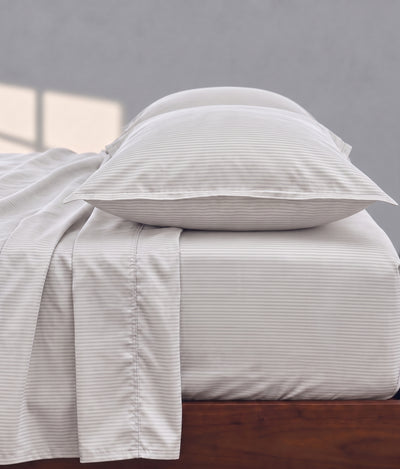
Temperature-regulating fabrics like eucalyptus-derived TENCEL™ Lyocell help hot sleepers hold onto the night, which is where Buffy's Breeze sheets come in.
Eight hours in bed, and you still wake up tired.
That gap between time slept and rest felt is where sleep quality lives, and it responds to more than willpower.
To improve sleep quality, work on three fronts: the habits that set up your nights, the bedroom your body sleeps in, and the bedding against your skin through it all.
Get those three pulling in the same direction: a steadier routine, a cooler room, breathable bedding, and sleep goes back to being automatic, the way it was before you had to think about it.
Here's how to get there.
Why Improve Sleep Quality? The Benefits of Getting It Right
The direct answer: better sleep upgrades nearly every waking system you have.
Through the night's deep and REM stages, the brain consolidates memory and processes emotion while the body repairs tissue and regulates the hormones that manage appetite and stress.
Sleep better consistently and the results surface while you're awake: steadier mood, sharper focus, a sturdier immune response, and energy that lasts past mid-afternoon.
None of this requires perfection. Sleep responds to averages, so a stretch of good nights buys back the occasional bad one.
The real work is knowing which levers move quality, and most of them sit closer to your bedroom than your pharmacy.
The Cost of Poor Sleep
The disadvantages mirror the benefits, point for point.
Short term, poor sleep shows up as daytime fatigue, irritability, and trouble concentrating. Long term, health researchers link chronic sleep loss to higher risks of weight gain and obesity, low mood, and cardiovascular strain.
It also compounds: a few rough nights raise stress, stress makes it harder to fall asleep, and the loop starts feeding itself, which is how occasional bad nights drift toward insomnia.
Two caveats belong here: if trouble sleeping persists for weeks despite good habits, or if heavy snoring and unrefreshing sleep suggest sleep apnea, talk to a doctor or a sleep medicine specialist.
Enough Hours, Still Tired: How Sleep Actually Restores You
Here's the part most sleep advice skips: sleep quality depends on completing full sleep cycles, not just total hours.
A night runs in roughly 90-minute cycles through light, deep, and REM stages, and the restorative work happens when those cycles finish.
Wake often enough, even for moments you won't remember, and you can log eight hours while collecting the benefits of far fewer.
Three of the most fixable interrupters live in your bedroom.
A Too-Warm Bedroom
Falling asleep is partly a cooling process. Your core temperature drops as sleep begins, and it stays low through the night.
A warm bedroom interrupts that. It's why sleep experts commonly recommend keeping the room around 65 to 68 degrees Fahrenheit.
Run warmer, from the thermostat or from heavy, heat-trapping bedding, and you'll surface at 3 a.m. more often, usually without ever learning why.
An Uncomfortable Mattress
A surface that sags or pushes back too hard creates pressure points, and pressure points make you reposition.
Each shift can nudge you out of deeper stages into lighter ones, the kind of micro-interruption you never remember and always feel the next day.
Unsupportive Pillows
The same logic applies at neck level.
A pillow with the wrong height for your sleep position keeps your spine negotiating all night, and the tossing that follows quietly taxes the same cycles.
If you wake with a stiff neck and a foggy head, the pillow is a suspect worth questioning.
The pattern across all three: anything that makes your body adjust breaks a cycle. The fix is a cool sleep environment and quality bedding that lets the night run uninterrupted.
Sleep Hygiene: The Habits That Do the Heavy Lifting
Sleep hygiene is the unglamorous name for the habits that make sleep automatic, and a short list does most of the work:
-
Keep a consistent sleep schedule: same bedtime, same wake time, weekends included.
-
Get physical activity during the day; movement deepens sleep, but keep hard workouts from landing too close to bedtime.
-
Keep the room cool, dark, and quiet.
-
Cut caffeine by early afternoon; it lingers far longer than it feels like it does.
-
Dim screens and bright lights in the last hour, since light suppresses melatonin exactly when you need it rising.
-
Build a wind-down night routine: reading a book, a warm shower, light stretching, anything that cues relaxation and files the day away.
-
Wash your sheets weekly; clean bedding is part of the ritual, and few sleep cues feel stronger than a fresh bed.
-
If you run hot, choose breathable sheets, eucalyptus-derived TENCEL™ Lyocell among them, so temperature never becomes the reason a cycle breaks.
The Bedding Layer: Materials That Help You Stay Asleep
For bedding, it’s the fabric that decides your sleeping microclimate.
Eucalyptus-derived TENCEL™ Lyocell regulates temperature. It also absorbs and releases moisture, supporting a drier microclimate under the covers.
For people who overheat or wake damp, that combination helps the night hold together.
Research supports the idea: in one small study of sleepers with severe night sweats, switching to moisture-managing bedding improved overall sleep quality scores by 52%, with easier sleep onset and fewer nighttime disturbances.
That's the fiber family behind Buffy's Breeze sheets. They're woven from Austrian eucalyptus and cool to the touch, as verified by independent testing.
The other thing worth checking is what stays out of the fabric.
OEKO-TEX® STANDARD 100 Class I certification means the finished bedding was lab-tested against more than 1,000 harmful substances. It cleared the strictest product class in the system, the tier built for products for babies.
For fabric that spends eight hours a night against your skin, that verification is part of the night's quality too. Fewer irritants in the weave, and one less variable between you and an unbroken night.
Improve Sleep Quality Starting Tonight
The push to improve sleep quality comes with a rare advantage: same-night feedback.
Eat better, and you wait weeks to feel it. Fix your sleep and tonight files a report by morning. That speed is worth using: change one thing today, and let the first good night pull you toward the second.
Just weigh your changes by how long they keep paying.
A habit works only on the nights you keep it, while the right bedding works every night after you unbox it, no discipline required.
That's the lane Buffy builds in: its cooling bedding collection, Breeze sheets included, takes temperature off the suspect list for good.
Start there, sleep on it, and read the morning report.
Frequently Asked Questions (FAQs)
What bedding materials are best for improving sleep quality?
Breathable, moisture-managing fabrics serve sleep best, because they keep your microclimate cool and dry through the night. Eucalyptus-derived TENCEL™ Lyocell does both, regulating temperature and supporting a drier feel under the covers, which matters most for hot sleepers and anyone who wakes overheated. Whatever the fabric, OEKO-TEX® STANDARD 100 Class I certification adds lab-tested assurance about what's in the material against your skin.
What are the most important sleep hygiene habits to build for adults?
A consistent sleep-wake schedule leads the list, because your body clock thrives on repetition. Behind it: daytime physical activity, a cool, dark, quiet room, an early caffeine cutoff, dim light in the last hour, and a wind-down routine that ends the day on purpose. Add weekly sheet washing, and remember that two habits held consistently beat eight attempted at once.
Why does poor sleep quality happen even when you get enough hours?
Because sleep quality depends on completing full sleep cycles, not just total hours. Frequent waking, from a too-warm bedroom, an uncomfortable mattress, or unsupportive pillows, cuts cycles short, so the restorative deep and REM stages never finish their work. The fix starts with a cool sleep environment and quality bedding, then the habits that keep the night unbroken.