


Key Takeaways
-
Your core body temperature drops as sleep begins, so anything that traps heat, from the room to the bedding, is working directly against your body's cooling cycle.
-
The most common heat sources stack: a warm room, heat-holding mattresses and bedding, heavy sleepwear, and pre-bed habits like late workouts or alcohol.
-
True night sweats are repeated, soak-the-sheets episodes tied to conditions or medications; waking damp under too many blankets usually isn't the same thing.
-
The fixes mirror the causes: a cooler room around 65 to 68 degrees Fahrenheit, lighter layers, and fabrics that manage heat and moisture.
-
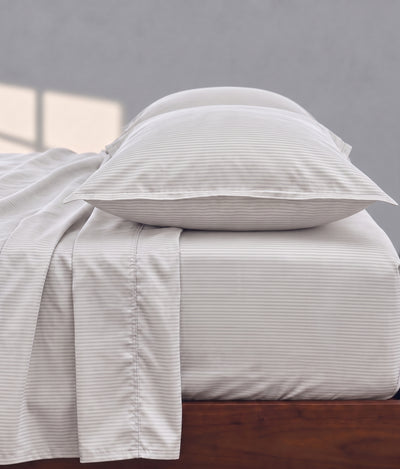
Eucalyptus-derived TENCEL™ Lyocell absorbs and releases moisture, supporting a drier microclimate, which is where Buffy's Breeze sheets come in.
Blanket on, blanket off, one leg out, pillow flipped to the cold side.
If that's your nightly routine, the question "Why do I get hot when I sleep” usually has a stacked answer.
A bedroom runs a few degrees too warm, bedding traps body heat, sleepwear won't breathe, and underneath it all, your body is actively trying to cool itself for sleep and getting blocked at every layer.
Some of those you control with a thermostat, and some with what's on the bed, starting with breathable bedding.
Here's what's making you overheat, and how to fix each cause.
Why Do I Get Hot When I Sleep? The 5 Usual Suspects
Sleeping hot rarely has a single cause.
Your body temperature while sleeping follows a script, and heat shows up whenever something interrupts it.
These five interrupters cover most warm nights.
1. Your Body's Nighttime Cooling Cycle (the Part That's Normal)
Here's the twist: feeling warm at night often means your body is doing its job.
Your core body temperature falls by about two degrees Fahrenheit overnight, and the drop starts about two hours before bed, timed with the rise of melatonin.
To pull that off, your body pushes heat outward, toward the skin, the hands, the feet. That's the warmth you feel radiating under the covers. It needs somewhere to go.
When the room or the bedding won't let it escape, the heat pools around you, and the script falls apart.
Every cause below is a version of that same blockage.
2. A Bedroom That Runs Too Warm
The simplest suspect. Sleep researchers put the ideal room temperature for sleep at roughly 65 to 68 degrees Fahrenheit. A bedroom above that range interferes with temperature regulation enough to cut into deep and REM sleep.
Sun-baked rooms hold their heat past midnight, radiators run on their own schedule, and upstairs bedrooms collect the whole house's warmth.
If this happens only in summer, or only in one room, the room itself is probably your answer.
3. Bedding and a Mattress That Trap Heat
The layer closest to your skin has the most say in how hot you sleep.
Dense synthetic sheets, heavy comforters, and plush toppers hold on to body heat and block the escape route your cooling cycle depends on.
Your mattress votes too. Memory foam in particular contours by absorbing warmth, and that hug can turn into a heat pocket by 3 a.m.
If you sleep hot on a foam mattress, breathable layers between you and the foam matter twice as much, because they're the only part of the equation you can change without buying a new bed.
4. Sleepwear That Won't Breathe
Fleece pajamas, thick cotton layers, and anything snug and synthetic can hold a layer of warm, humid air against your skin.
The fix costs the least on this list: fewer layers, looser fits, and lighter fabrics that let sweat dry quickly.
If you wake up damp but your partner sleeps dry in the same room, start your investigation here.
5. What You Do Before Bed
Some heat is self-inflicted, and it doesn't feel hot at the time.
A hard workout close to bedtime can leave your core temperature elevated just when it should be falling. Alcohol and heavy or spicy meals late in the evening put your body to work overnight, and that work throws off warmth.
Sleep experts recommend keeping caffeine and alcohol away from bedtime partly for this reason: they can disrupt your sleep from the inside, no warm room required.
One cause runs on a different engine: people experiencing hormonal temperature changes, including hot flashes, get so hot at night through an internal trigger that no thermostat reaches.
Bedding plays a supporting role at most here, though the right sheets for night sweats can make those nights more comfortable, and a doctor can help with the hormone side.
What Causes Night Sweats, and When Is It More Than Bedding?
Waking up damp raises a fair question: is this sleeping hot, or something else? The clinical definition is stricter than most people expect.
True night sweats are repeated episodes of sweating heavy enough to soak your nightclothes or bedding. They're tied to underlying causes like medications, infections, and hormone-related changes.
Waking sweaty under too many blankets in a warm room usually doesn't count; that's trapped heat doing what trapped heat does.
The distinction matters because the fixes live in different places.
Sweating in sleep that stops when you cool the room and lighten the bedding was an environment problem, and you've solved it.
If you experience night sweats regularly, in a cool room, or alongside fever, weight loss, or other symptoms, that's a conversation for a doctor.
So when you're weighing what causes night sweats in your own bed, run the easy experiment first. Fix the heat you can see, and take what's left to a professional.
How to Regulate Body Temperature at Night: A Fix for Every Cause
The good news hiding in that list of suspects: none of the common ones requires effort at 3 a.m.
Knowing how to regulate body temperature at night mostly means removing obstacles before you lie down:
-
Set the thermostat between 65 and 68 degrees, and close blinds during the day so the room doesn't spend all night exhaling stored heat.
-
Sleep in light, loose, breathable sleepwear, or fewer layers than you think you need.
-
Thinking about how to cool down your body at night before bed? A warm shower an hour or two early triggers a helpful cool-down afterward, and moving workouts, alcohol, and heavy meals earlier keeps your core from running warm past lights-out.
-
Swap the heat-trapping layers for fabrics that breathe, starting with the sheet against your skin.
That last lever works every night without needing a second thought, and fabric choice is most of it.
Eucalyptus-derived TENCEL™ Lyocell regulates temperature and absorbs and releases moisture, supporting a drier microclimate under the covers, so your body's own cooling cycle can finish what it starts.
That's the fiber behind Buffy's Breeze sheets: woven from Austrian eucalyptus, cool to the touch as verified by independent testing, and built for exactly the sleeper who overheats.
Give the Heat Somewhere to Go
Notice what every suspect on the list has in common: none of them adds heat you don't already make.
Your body produces the warmth; the room, the mattress, the sleepwear, and the sheets just decide whether it leaves.
That reframe simplifies the whole project.
You don't need to become a colder person, and you can't. You need an escape route for heat that's already trying to exit. You can build one in an evening: lower the thermostat, lighten the layers, and dress the bed to breathe.
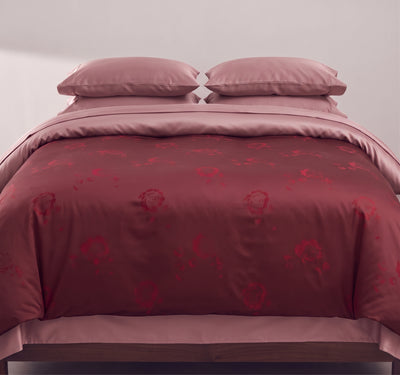
Buffy's cooling bedding collection handles that last part, from sheets to comforters, so the next time you overheat at 3 a.m., it'll be the last time for a while.
Frequently Asked Questions (FAQs)
What are the best ways to stop getting hot when you sleep?
Keep the bedroom between 65 and 68 degrees Fahrenheit, sleep in light and breathable sleepwear, and keep late workouts, alcohol, and heavy meals away from bedtime. Then upgrade the fabric closest to your skin: breathable, moisture-managing sheets like eucalyptus-derived TENCEL™ Lyocell let warmth escape and support a cool, dry sleep environment all night.
How to cool down your body at night before bed?
Take a warm shower an hour or two before bed; the rebound afterward helps your core temperature drop on schedule. Dim the lights, since your cooling cycle and melatonin rise together in the evening. Skip alcohol and intense exercise in the last few hours, keep the bedroom cool and ventilated, and get under breathable layers so the heat you shed actually leaves the bed.
How long does it take for cooling bedding to noticeably improve sleep temperature?
The first effect is immediate: fabrics like eucalyptus-derived TENCEL™ Lyocell feel cool to the touch as soon as you lie down. The bigger difference, a drier and more stable sleeping microclimate, works from the first night and compounds as your body stops waking to dump excess heat. Give it about a week of nights to judge fairly, because sleep quality responds to averages. Bedding supports comfort and temperature; it doesn't treat any underlying condition behind persistent sweating.